Design • Europe & USA

    Graphic Design Internships in Europe & the USA — Studio Placements

    Piktalent organises Erasmus+ design internships in graphic, UI/UX, product, fashion and architecture studios. Each intern is matched to a craft track — digital product (Figma, design systems) or visual and branding (Adobe CC, identity) — and ships one credited artefact rather than a stack of unused moodboards, backed by a vetted host studio, accommodation, insurance and 24/7 in-country support.

    Avg. duration
    2–6 months
    Working language
    English in 85% of studios
    Portfolio output
    3–6 pieces
    Design Internships — Piktalent participant working in a host company

    Live network

    26+ cities · 18 countries

    Explore
    In short
    Field
    Design Internships
    Where
    26+ cities · 18 countries · Europe + USA
    Programmes
    Erasmus+ KA131, KA171, VET, HEI, BIP, independent
    Duration
    2 weeks – 12 months

    What is a design internship?

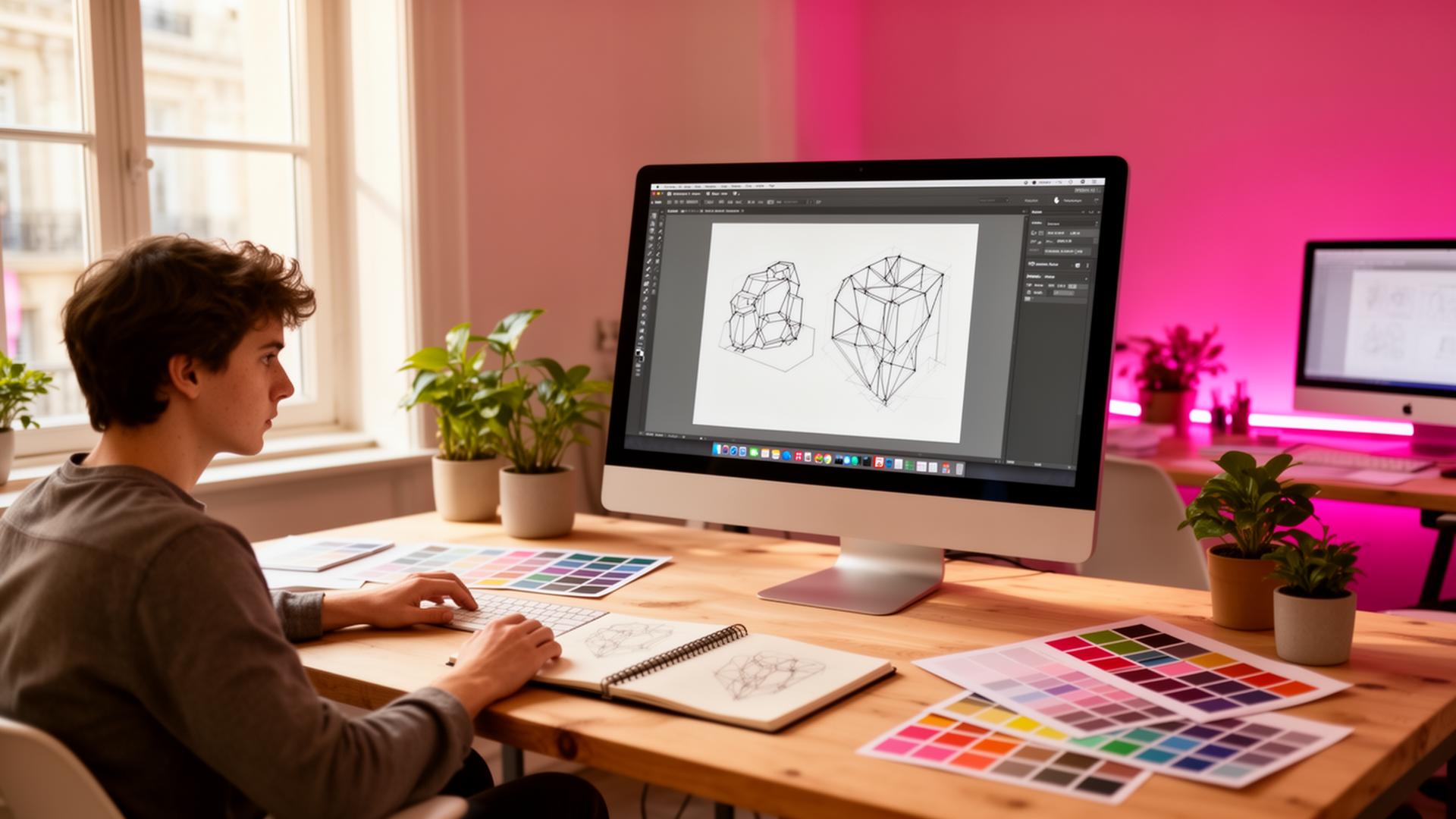
    A design internship is a studio-based placement where students contribute to live client briefs under a senior designer or art director: brand identities, UI components, product mockups, illustration sets or architectural visualisations. Within Erasmus+ the mobility is framed by an OLA-T Learning Agreement specifying the design discipline, mentor and learning outcomes.

    Independent applicants follow the same path on a self-funded basis. Design interns typically leave with 3–6 published portfolio pieces, working knowledge of Figma plus the Adobe Creative Cloud, and a written reference detailing the briefs delivered and tools used during the placement.

    For institutions & coordinators

    Full-service design internships for Erasmus+ and institutional mobility in Europe & USA

    Universities, VET providers and Erasmus+ coordinators use Piktalent as a single mobility partner for design internships. We run the institutional stack end-to-end — placement, programme administration, monitoring and on-site support — and integrate cleanly with your OLA workflow.

    Also available to individual students

    À la carte support services

    For students

    Skills, tasks and tools on a design internship

    Typical responsibilities, skills developed and tools used by interns in design internships.

    Tasks

    What interns do

    • Produce design assets for digital and print campaigns
    • Build wireframes, mockups and prototypes in Figma
    • Assist senior designers on brand identity and visual systems
    • Iterate UI components and design-system tokens
    • Prepare moodboards, style frames and pitch decks
    • Export, version and hand off assets to developers or print
    • Use AI image and design tools (Midjourney, Adobe Firefly, Figma AI) for early concept exploration, cleared through the studio's IP and licensing policy

    Skills

    What they develop

    • Visual sensibility — typography, layout, colour and hierarchy
    • Working knowledge of at least one design tool (Figma, Adobe CC)
    • Understanding of design systems and component thinking
    • Ability to receive and apply feedback iteratively
    • A portfolio with 3–5 directed projects (academic or personal)
    • Basic accessibility literacy (contrast, focus order, alt text) for digital-product briefs

    Tools

    What they use

    • Figma, FigJam and Framer for product and UI design
    • Adobe Creative Cloud — Illustrator, Photoshop, InDesign, After Effects
    • Webflow, Wix Studio or no-code builders for live sites
    • Notion, Miro and Linear for design ops
    • Procreate or Affinity Suite for illustration
    • Figma AI, Adobe Firefly or Midjourney for concept exploration, governed by the studio's IP policy

    Types of companies offering design placements

    Independent design and branding studios

    Digital product and UI/UX agencies

    In-house design teams at scale-ups and DTC brands

    Architecture and interior-design practices

    Fashion houses, ateliers and creative directors

    Who this internship is for

    Students of graphic design, visual communication or fine arts

    UX, product or interaction-design students

    Architecture, fashion or industrial-design students

    Erasmus+ HEI and VET participants in creative programmes

    Decision framework

    Is a design internship the right fit?

    Design is the right hub when the participant has a portfolio (academic counts) and visual sensibility. We internally split between digital product hosts and visual/branding hosts.

    Choose design internships if…

    • Curriculum is graphic design, visual communication, UI/UX, product design, architecture, fashion or industrial design.
    • Participant has 3–5 portfolio pieces (academic projects acceptable).
    • Host can be a design studio, in-house design team, agency or architecture practice.
    Operator's perspective

    What separates a portfolio-grade design placement from filler

    A design internship can either produce one credited artefact for the participant's portfolio, or three months of moodboards no-one will ever see. These are the operational rules that decide which one happens.

    Match by craft, not by 'design'

    We split design hosts internally into two distinct tracks — digital product (Figma, design systems, UI/UX) and visual/branding (Adobe CC, identity, editorial) — and never cross-match. The tooling, mentoring and output are different industries.


    Portfolio matching is a 2-way process

    Hosts submit a brief; we send 3 portfolio decks per shortlist; the host chooses based on visual fit. Skipping this step is the single biggest cause of failed design placements — a 'good designer' for one studio is a wrong fit for another.

    Accessibility (WCAG 2.2) is now a hiring filter

    Most product-design hosts in the EU work toward EN 301 549 / WCAG 2.2 AA compliance under the European Accessibility Act. Interns who arrive with even basic accessibility literacy (contrast, focus order, alt text) skip the first review cycle.

    Design tokens are the new typography test

    Hosts running real design systems test interns on token thinking (color, spacing, typography scales) before letting them ship components. We brief participants pre-arrival so they don't lose the first two weeks learning the concept.

    Architecture studios need software-licence pre-clearance

    Revit, ArchiCAD and Vectorworks education licences don't always work in commercial studios. We confirm the host issues a named workstation licence on day one — otherwise the intern can't open the working files.

    Where you can do a design internship

    Design Internships are available in 26+ Piktalent destinations across 18 countries. Pick a city to see local host-company examples and durations.

    4-step process

    How a design internship with Piktalent works

    Four steps from first brief to final report. Plan twelve weeks of lead time for a quality placement.

    1. 1

      Brief & matching

      Share participant profile, dates and target city. Piktalent matches the intern to a vetted design host company.

    2. 2

      Learning Agreement

      We co-sign the Erasmus+ Learning Agreement and confirm the placement with the sending institution.

    3. 3

      Pre-arrival & accommodation

      Vetted accommodation booked before arrival; pre-departure briefing and insurance issued.

    4. 4

      On-site support & reporting

      Local team runs check-ins, monitors the internship and delivers final reports plus Europass Mobility.

    Mobility programmes available for design internships

    Design Internships can be delivered through every major Erasmus+ action and through independent self-funded routes.

    FAQ — Design Internships

    Plan your design internship

    Tell us your sector, dates and group size — we'll send a tailored proposal within 48 hours.