Engineering • Europe & USA

    Engineering Internships in Europe & the USA

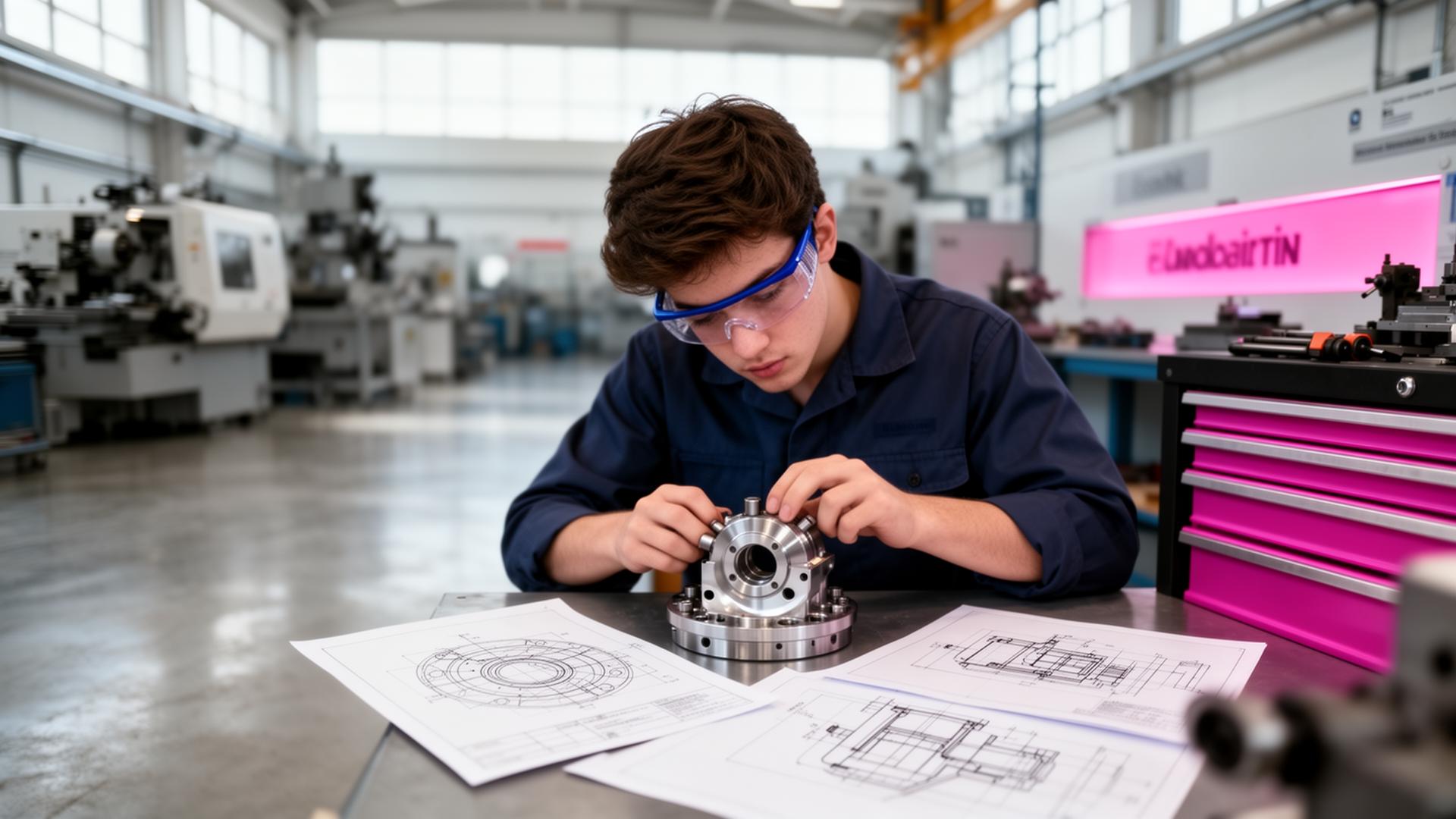
    Piktalent organises Erasmus+ engineering internships in mechanical, civil, industrial, automotive, aerospace and renewable energy host companies. Placements include OEMs, tier-1 suppliers, R&D labs and energy operators — matched to the participant's discipline, academic level and required tooling. Compared to a generic R&D shadowing visit, a Piktalent engineering mobility typically delivers a measurable project artefact — a CAD assembly, a validated FEA report or a tested prototype — within 12–24 weeks of supervised work.

    Avg. duration
    3–12 months
    Working language
    English / local
    Common tools
    SolidWorks, AutoCAD, Revit, Matlab
    Typical output
    1–2 validated technical deliverables
    ECTS recognition
    15–30 ECTS for HEI mobilities
    Engineering Internships — Piktalent participant working in a host company

    Live network

    67+ cities · 29 countries

    Explore
    In short
    Field
    Engineering Internships
    Where
    67+ cities · 29 countries · Europe + USA
    Programmes
    Erasmus+ KA131, KA171, VET, HEI, BIP, independent
    Duration
    2 weeks – 12 months

    What is a engineering internship?

    An engineering internship is a project-based placement inside a design office, R&D lab or production facility where interns work on real components: CAD models, FEA simulations, BIM coordination, PLC programming or quality protocols. Erasmus+ engineering mobilities are governed by a Learning Agreement specifying the project, mentor and assessment criteria.

    Independent and graduate placements operate on a self-funded basis. Engineering interns typically deliver a measurable project output (a CAD assembly, a tested prototype, a validated simulation report) and leave with a written technical evaluation, the Europass Mobility document and, where applicable, NDA-cleared portfolio extracts.

    For institutions & coordinators

    Full-service engineering internships for Erasmus+ and institutional mobility in Europe & USA

    Universities, VET providers and Erasmus+ coordinators use Piktalent as a single mobility partner for engineering internships. We run the institutional stack end-to-end — placement, programme administration, monitoring and on-site support — and integrate cleanly with your OLA workflow.

    Also available to individual students

    À la carte support services

    For students

    Skills, tasks and tools on a engineering internship

    Typical responsibilities, skills developed and tools used by interns in engineering internships.

    Tasks

    What interns do

    • Support CAD modelling, drawings and revisions
    • Run tests, measurements and quality checks
    • Document processes and prepare technical reports
    • Assist on-site visits, installations or commissioning
    • Contribute to small R&D experiments under supervision
    • Help with BOMs, procurement and supplier follow-ups
    • Use generative-design or simulation-assist features where the host has licensed them, with senior sign-off on any output

    Skills

    What they develop

    • Solid technical fundamentals in your engineering branch
    • CAD/CAM literacy (SolidWorks, AutoCAD, Revit or similar)
    • Methodical approach to testing and documentation
    • Workshop, factory or site safety awareness
    • Technical English for specifications and standards

    Tools

    What they use

    • SolidWorks, AutoCAD, CATIA or Fusion 360
    • Revit, ArchiCAD or Civil 3D for civil/AEC
    • MATLAB, LabVIEW or Python for analysis
    • PLC environments (Siemens TIA, Rockwell)
    • ERP/PLM systems: SAP, Windchill, Teamcenter
    • Generative-design and simulation-assist modules in Fusion 360 or ANSYS, where the host provides a licence

    Types of companies offering engineering placements

    Automotive and aerospace manufacturers

    Industrial machinery and robotics companies

    Civil engineering and architecture studios

    Renewable energy and utilities operators

    R&D centres and engineering consultancies

    Who this internship is for

    Mechanical, electrical, civil and industrial engineering students

    Architecture and construction management students

    Energy, environment and sustainability students

    Erasmus+ HEI and VET participants in technical programmes

    Decision framework

    Is a engineering internship the right fit?

    Engineering is the right hub when the participant studies a hard-engineering branch and the host environment is industrial, R&D or construction.

    Choose engineering internships if…

    • Curriculum is mechanical, electrical, civil, industrial, energy, automotive or aerospace engineering.
    • Participant accepts site or factory PPE conditions where applicable.
    • Host is a manufacturer, R&D centre, utility, construction firm or engineering consultancy.
    Operator's perspective

    What an engineering placement looks like behind the safety briefing

    Engineering hosts in Europe and the USA expect interns to walk into a regulated environment — CE marking, ISO management systems, site-safety regimes. These are the operational realities a coordinator should plan for.

    Site PPE is a 4-week procurement, not a day-1 task

    Steel-toe boots, hi-vis, helmet liners and (where required) FR-rated overalls take 2–4 weeks to size and deliver. We pre-arrange host or sending-school PPE before arrival; otherwise the intern loses the first week to compliance.


    CAD environment access is the single biggest blocker

    Hosts using Siemens NX, CATIA V5/V6 or Teamcenter need to provision named licences. Setting this up after arrival burns days. We confirm licence assignment in the host commitment letter, not in onboarding.

    Quality systems are part of the learning, not noise

    ISO 9001 and IATF 16949 environments require traceable engineering changes. Interns who learn the change-control workflow (ECR/ECO) leave with a competency that's instantly recognisable to any future European employer.

    Site placements need a written supervision matrix

    Civil and energy hosts must name a single site engineer responsible for the intern, plus a backup, plus an out-of-hours contact. Without it, insurance and supervision gaps appear as soon as the named person is on leave.

    Export-control screening for aerospace and defence-adjacent roles

    Some Tier-1 hosts (especially in DE and FR) run EU Dual-Use Regulation screening on interns from non-EU nationalities. We flag this early so the participant is not surprised by paperwork after acceptance.
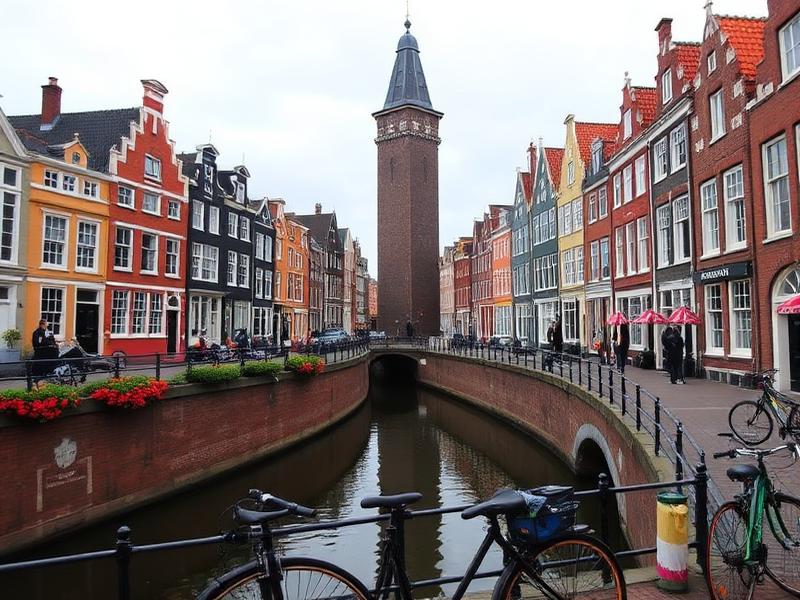
    Where you can do a engineering internship

    Engineering Internships are available in 67+ Piktalent destinations across 29 countries. Pick a city to see local host-company examples and durations.

    4-step process

    How a engineering internship with Piktalent works

    Four steps from first brief to final report. Plan twelve weeks of lead time for a quality placement.

    1. 1

      Brief & matching

      Share participant profile, dates and target city. Piktalent matches the intern to a vetted engineering host company.

    2. 2

      Learning Agreement

      We co-sign the Erasmus+ Learning Agreement and confirm the placement with the sending institution.

    3. 3

      Pre-arrival & accommodation

      Vetted accommodation booked before arrival; pre-departure briefing and insurance issued.

    4. 4

      On-site support & reporting

      Local team runs check-ins, monitors the internship and delivers final reports plus Europass Mobility.

    Mobility programmes available for engineering internships

    Engineering Internships can be delivered through every major Erasmus+ action and through independent self-funded routes.

    FAQ — Engineering Internships

    Plan your engineering internship

    Tell us your sector, dates and group size — we'll send a tailored proposal within 48 hours.